

Asian Games Cricket: Time Bazar Matka Panel Chart vs. The New Code Book

Published 2026-10-30 · By Meera Parekh (National Series Correspondent · Chandigarh Desk)
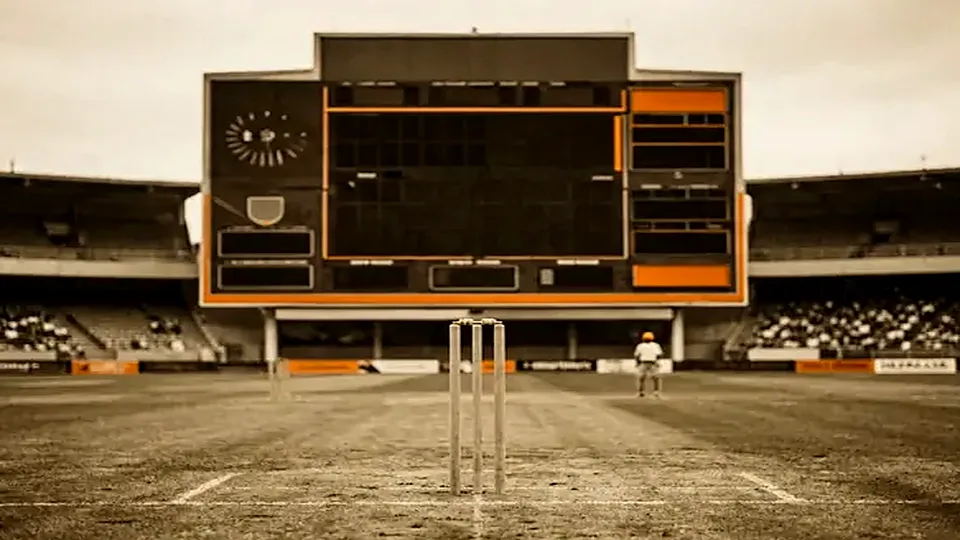
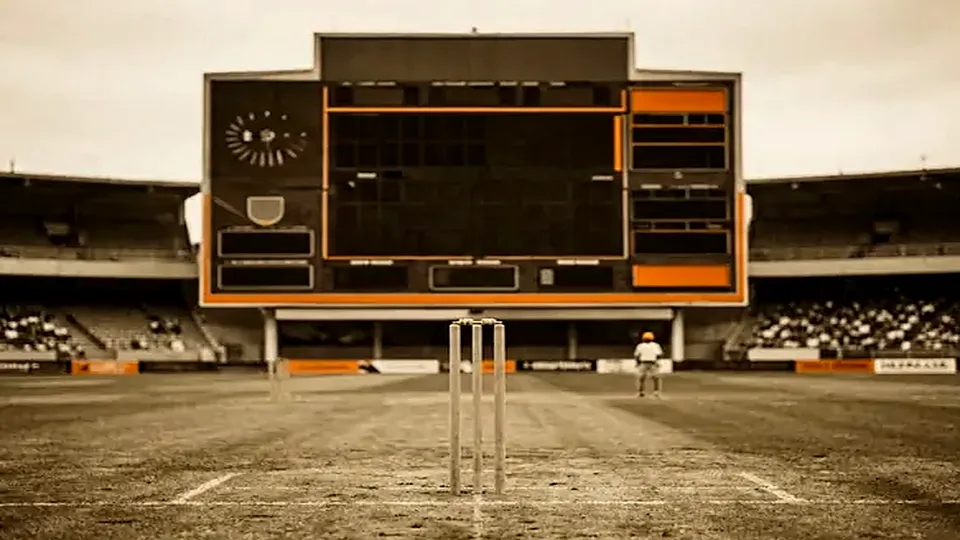
The humidity at the local nets in Chandigarh hits different when the sun drops below the horizon. The air thickens. The ball grips too little. A young opener, barely twenty-two, pushes his back foot into the crease and swings with a force that echoes through the empty pavilion. He misses. The stump pad cracks. This is not just cricket; it is a calculation of risk, similar in its obsessive nature to those who spend their evenings staring at a time bazar matka panel chart, trying to decode patterns in chaos. But on the field, the code is written in footwork and bat speed, not in lottery digits.
The 2026 Format Shift
The Asian Games Men's Cricket Competition in 2026 is not the old tournament. The BCCI has restructured the pathway. No longer is it a simple knockout where the best team wins by sheer will. It is now a points-based league mixed with high-stakes playoffs. This changes everything. Players who thrived in the slow, grinding rhythm of the Ranji Trophy now find themselves out of sync. The pitch here in the north, with its slight turn off the seam, demands quick hands. If you get caught out of position, the edge goes. The new ball did the talking yesterday in the practice session. Nobody in the dugout bought the excuse that the bounce was uneven.
Why the Selection Panel is Cautious
Coaches are nervous. The Impact Player rule, carried over from the T20 international code, adds a layer of tactical complexity. Do you pick a fifth bowler for death overs? Or a specialist batsman to stabilize the middle order? It feels like a gamble. I watched a young leg-spinner, fresh out of the state association, struggle to bowl into the pitch. His line was too wide. The dew factor, arriving early at 8:30 PM IST in this latitude, will make it worse. When the ball skids along the surface, a bad length becomes a disaster. But the panel is waiting. They want to see if the nerve holds when the scoreboard bleeds runs away.
"We don't look at the past; we look at the last ten balls," one senior selector whispered, leaning against the barrier. "If you can't handle the pressure of a live match, the Ranji grind doesn't matter. It's the moment of impact that counts."
"It’s not about the runs you scored in school; it’s about the run you defend in the 19th over when the batsman is on fire."
Reading the Data, Not the Noise
While fans in Mumbai or Delhi check their phones for every flicker of the score, the real work happens in the data. Modern analytics teams are tracking boundary-percentage against skiddy hard length bowling. It is a precise science. The the Hero117 team recently published a minor analysis on player retention in high-pressure domestic circuits, suggesting that mental resilience is now a metric as vital as economy rate. Most players ignore this. They see only the bat and the ball. But the head coaches see the graph. They see the dip in concentration after the loss of two wickets in ten balls. That dip is where the tournament is lost.
The fixtures are now public. The schedule is tight. Two matches a day will test the leg muscles and the mind. Young all-rounders are complaining about the travel. Chandigarh to the next venue is a long haul. The state associations are feeling the strain. They are funding the buses, the meals, the physiotherapy. In return, they want a spot on the Asian team. It is a classic transaction. Sweat for opportunity. The opportunity is fleeting. Once the Asian Games conclude, the spotlight moves to the World T20 qualifiers. These players must adapt or be dropped. The bar is rising. The pitch is getting shorter. The ball is getting faster.
- Key Strength: Quick-twitch batting against the new ball.
- Key Weakness: Middle-overs fielding errors.
- Weather Risk: High humidity reduces swing late in the innings.
The Dugout Dynamic
Inside the dressing room, the hierarchy is shifting. The veterans are quieter. They know the weight of the shirt. The youngsters are louder, bolder. They bat higher up the order. They take risks on the first ball. One young wicket-keeper, who started as a backup in the domestic T20 league, is now the first choice. His reflexes against the cut are electric. He saves a catch that should have been impossible. The team roars. It is a raw, unpolished joy. There is no polish yet. That is the point. The Asian Games are a pressure cooker. It forces the talent to surface or die. The time bazar chart fans would call this 'high volatility'. Cricketers call it survival. The difference is the blood in the veins. The difference is the desire to keep the ball in play when everything else suggests leaving it alone. The night session begins. The lights buzz on. The real test starts now.
Related coverage
- TATA IPL Phase 2 Schedule Dropped: Matka Panel Chart Fans Check Time
- Heaphy’s 90* Shatters India A; The Matka Panel Chart Can't Explain This Collapse

Updated 2026-10-30 · Instant Rupee Deposits & 60s Withdrawals · 24/7 Support.
Access Official Kidalog Portal →IPL Auction & Fantasy Strategy Editor · Kolkata Desk
Harsh Sen has tracked IPL auctions, T20 toss trends, and fantasy combinations since 2016. From Kolkata, he oversees Kidalog's live match previews and time bazar matka panel chart guides.
Reader Discussion & Match Reactions (7)4.8★ Community (7 Comments)
Verified Indian cricket reader perspectives & tactical debate on thekidalog.com
Seeing the mention of state association pathways is a relief. While BCCI focuses on the new points-based league, regional circuits in Assam are still struggling to fund nets that match the 2026 code requirements. Grassroots needs help.
The article cites a 22-year-old opener missing a shot off a gripping new ball, but ignores the strike rate metric entirely. Without data on his ball-by-ball execution, the 'risk calculation' claim is baseless. Need hard numbers, not vibes.
They call the new league structure a 'restructuring' but it’s just political maneuvering to lock in Impact Player contracts. Caution is good, but the board is ignoring the fact that 90% of Ranji players are already obsolete for this chaotic format.
Chandigarh’s humid conditions are mentioned, but do we have any concrete plan for women’s state squads facing similar pitch changes? The focus is entirely on the men’s pathway, leaving grassroots female cricketers in the dark regarding the new ball grip.
Obsessed with the 'points-based league' but where is the win-loss ratio data for the new Impact Player rule? If we don't track bowler economy rates in death overs specifically, the tactical complexity mentioned is just noise. We need the spreadsheets.
Skeptical of this 'new code book' nonsense. Adding a fifth bowler to a T20 code is a tactical nightmare that disadvantages genuine pace. The BCCI is forcing a rule change that doesn't suit the north Indian conditions, forcing bad selections.
@Anirudh_Guwahati You mentioned Assam’s funding gaps, but have you seen how the 22-year-old Chandigarh opener struggled with the new ball grip? His missed swing against the stump pad shows the skill gap between paid and under-resourced state talents right now.
Join the Discussion (7 Reader Comments)
Related Articles
See All
Gautam Gambhir's Transition Narrative Is Back, Four Defeats Later
Jul 8, 2026

'I don't focus on what's happening outside'
Jul 26, 2026

Time Bazar Matka Panel Chart: Complete 2026 India Guide, Live Updates & Verified Access
Oct 17, 2026