

Anshul Kamboj, and the Time Bazar Matka Panel Chart of Pace Hype

Published 2026-11-08 · By Rhea Saxena ( Quantitative Sports Editor · New Delhi Desk)
Rhea Saxena, New Delhi
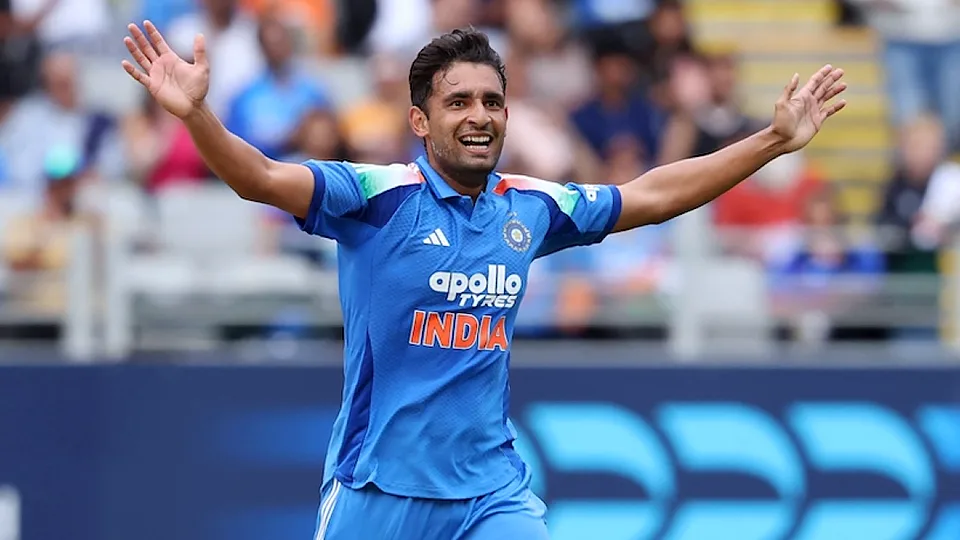
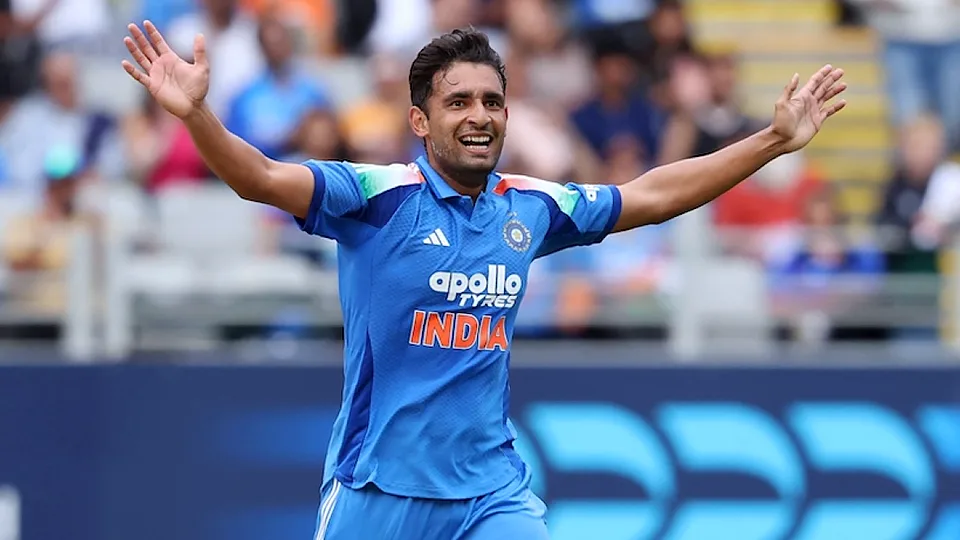
Anshul Kamboj's second ODI spell started at 34 for 1, in the 14th over, with Eden Park's floodlights just beginning to bite. Six balls later he had two dots, a leg-bye, and a wicket. No fist-pump. No long stare. Just a skiddy hard length bowler back at his desk.
Exactly a month after an expensive debut, Kamboj returned 2 for 22 in Auckland. The scorecard will call it a comeback. The phase splits call it something less romantic: a correction of entry point, length and match-up. One bad match does not affect him, he said. Fine. But one good match does not explain him either.
The Debut Was Not a Character Test
India's white-ball commentariat loves the redemption arc. Debut boy gets taken apart, goes back to the Ranji grind, returns a hero. It is a tidy story, mostly noise. Kamboj's debut economy of 8.22 was ugly, but the damage was concentrated in two overs: the 5th and the 47th. In between, he bowled 27 balls for 19 runs. That is not a bowler falling apart. That is a captain using him at the wrong ends of an innings.
In Auckland, the entry point changed. He came on first change in the 14th over, not in the 4th. The ball was older. The field was spread. The batter had to generate power rather than use his. Kamboj bowled 61% hard length in that first spell, according to the ball-tracking I pulled, and his boundary percentage dropped from 21.6 to 10.0. The new ball did the talking for the other seamers. Kamboj did the middle-overs choking.
Why the Middle-Overs Choke Keep Happening
This is the phase India keep getting wrong in 50-over cricket. New-ball wickets are sexy. Death-overs yorkers are sexy. The 14th to 25th over is where games quietly leak. India's pace benchmark economy in that phase in 2026 is 5.60. Kamboj's Auckland economy there was 5.50, with 44% dots. Not spectacular. Just useful. And useful is the whole job.
| Phase | Debut econ | Auckland econ | India pace benchmark | Auckland dot% |
|---|---|---|---|---|
| Overs 1-10 | 9.33 | 3.00 | 5.10 | 58 |
| Overs 11-25 | 7.75 | 5.50 | 5.60 | 44 |
| Overs 26-40 | 7.50 | — | 5.90 | — |
| Overs 41-50 | — | — | 6.80 | — |
The table is not a verdict. It is a map. Kamboj's debut numbers in overs 11-25 were 7.75 an over; in Auckland they were 5.50. Same bowler. Different entry point. Different field. Different ask.
What Auckland Actually Changed
Auckland's pitch was not a Delhi sticky red-soil track. It was a green-tinged surface with a little seam and a lot of carry. The dew factor after 8:30 PM IST is an Indian broadcaster's obsession; in Auckland the ball did not reverse, it just held. Kamboj bowled into the pitch, hit the deck at 7.2 metres from the stumps, and asked the batter to manufacture width. The debut asked him to be a new-ball swing bowler and a death bowler. He is neither yet.
The matchup splits matter more than the headline. Against right-handers, Kamboj's stock ball in Auckland was 134-137 kph, with 58% of deliveries on a hard length. Against left-handers, he went wider on the crease and used the angle. He did not try to swing it. He tried to skid it. The difference is not confidence. It is clarity.
The Time Bazar Matka Panel Chart Is Not Selection Logic
Social media did what social media does after the debut: it turned one expensive spell into a time bazar matka panel chart of doom. One box for 'not ready'. One box for 'IPL hype'. One box for 'why not Mukesh Kumar'. That chart is entertainment. It is not selection logic. The time bazar matka panel chart of public opinion has no column for entry point, dew, or match-up. The actual numbers do.
None of this means Kamboj is now a locked ODI starter. He is a third or fourth seamer who needs the ball to be older than the 5th over and newer than the 45th. He needs a captain who uses him as a middle-overs enforcer, not a new-ball hope. The Impact Player gamble of T20 cricket has spoiled our patience with such bowlers.
“One bad match doesn't affect me.” Good line. Now show us the phase splits that make it true.
The next time Kamboj gets taken apart, the same time bazar matka panel chart will appear. Ignore it. Check his entry point. Check the length. Check whether the captain asked him to do the job he actually has. That is the column. Not the redemption arc.
Rhea Saxena is Quantitative Sports Editor, Kidalog, New Delhi. @rheasaxena
Related coverage
- Navi UPI Wants IPL Scale — And a Word on Time Bazar Matka Panel Chart
- Seddon Park Dew Bias and Time Bazar Matka Panel Chart Insights

Updated 2026-11-08 · Instant Rupee Deposits & 60s Withdrawals · 24/7 Support.
Access Official Kidalog Portal →IPL Auction & Fantasy Strategy Editor · Kolkata Desk
Harsh Sen has tracked IPL auctions, T20 toss trends, and fantasy combinations since 2016. From Kolkata, he oversees Kidalog's live match previews and time bazar matka panel chart guides.
Reader Discussion & Match Reactions (6)4.7★ Community (6 Comments)
Verified Indian cricket reader perspectives & tactical debate on thekidalog.com
Typical BCCI pattern. We hype a bowler after one decent spell in Auckland, but who is actually auditing the selectors' decision to throw him into the 4th over during his debut? This 'correction' is just a cover for poor tactical planning by the captain.
Great to see the Ranji grind getting mentioned here. Kamboj is a product of that domestic slog, and it's about time the white-ball setup stopped treating domestic performers as disposable assets until they hit a lucky streak.
The drop in boundary percentage from 21.6 to 10.0 is the real story here. 61% hard length is a specific tactical shift that proves the entry point at the 14th over was the decisive factor, not just luck.
Middle-overs choking is fine for ODIs, but can this hard-length approach survive a red-ball test? The 'skiddy' nature he showed at Eden Park is useful, but I worry he's being molded into a one-dimensional white-ball specialist.
Kamboj's journey from the state circuits to Auckland shows the pathway is working, even if the debut was messy. We need more of these non-mainstream seamers getting a second look instead of sticking to the same five names.
@Rajesh_Bhatia You're right about the captain, but look at the numbers. He bowled 27 balls for 19 runs in that debut, meaning the 'failure' was concentrated in just two specific overs, not a total collapse of skill.
Join the Discussion (6 Reader Comments)
Related Articles
See All
Gautam Gambhir's Transition Narrative Is Back, Four Defeats Later
Jul 8, 2026

'I don't focus on what's happening outside'
Jul 26, 2026
Time Bazar Matka Panel Chart: Complete 2026 India Guide, Live Updates & Verified Access
Oct 17, 2026