

WTC Expansion Stalls as IPL Scouts Weigh Impact Player Risks – Time Bazar Matka Panel Chart Reveals Hidden Angles

Published 2026-11-13 · By Harsh Sen (IPL Auction & Fantasy Strategy Editor · Kolkata Desk)
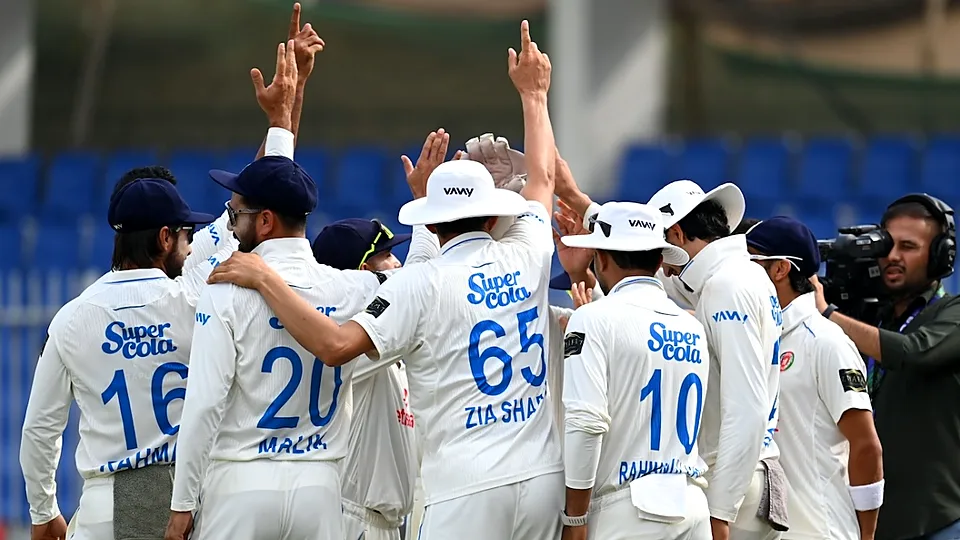
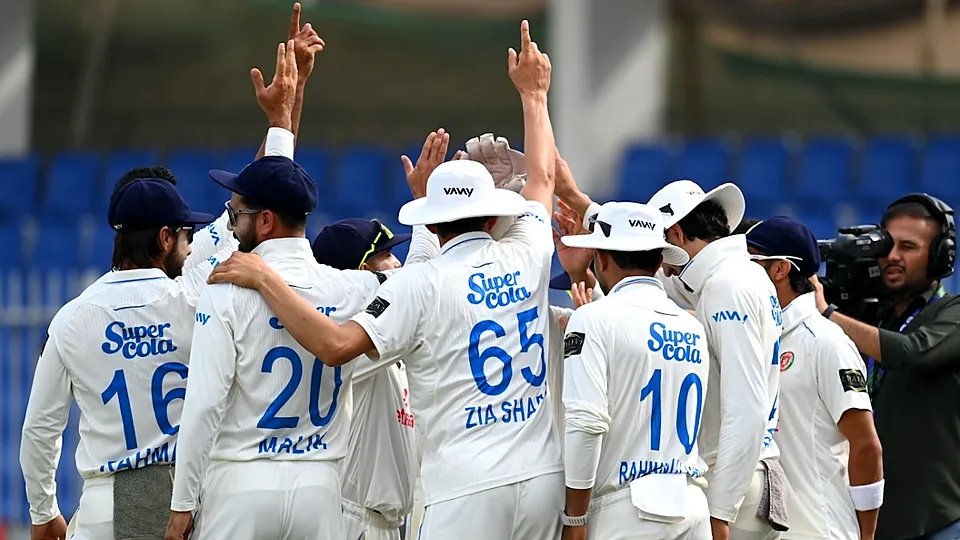
The toss at Rajiv Gandhi International Stadium turned 7‑2 for the home side, and the first over already saw a skiddy hard‑length delivery that forced a mis‑timed pull. That moment, replayed on the ICC’s live‑feed, became the backdrop for a heated debate on the World Test Championship’s next cycle.
Impact Player Gambit Meets WTC Expansion Talk
When the ICC announced a bid to bring all 12 Full Members into the next WTC, the cricketing world expected a tidy spreadsheet. Instead, a panel of former players and statisticians turned the meeting into a time bazar matka panel chart showdown. The chart—an odd mix of betting odds and performance indices—spilled over into IPL strategy rooms.
Why does an 18‑month Test calendar matter to a Hyderabad scout? Because the Impact Player rule, still fresh in the IPL, thrives on uncertainty. If a Test side can rotate bowlers mid‑match, an IPL franchise can rotate a finisher mid‑innings. The panel’s odds column shows India at 2.8 for a top‑three finish, but the same line reads 5.4 for Australia’s ability to field a reliable Impact Player.
Short. Sharp. Simple. The rule forces us to ask: do we pick a specialist finisher now or hedge with a genuine all‑rounder who can slip in at 15 overs? The WTC debate nudges the answer toward flexibility.
Left‑Right Pairing Against Wrist‑Spin: A Hidden Factor
Ever watched a wrist‑spinning maestro dominate a single‑handed batting line‑up? The new WTC schedule will see sub‑continental pitches hosting South African and Australian tours—conditions that favour leg‑spin on sticky red‑soil tracks. Hyderabad’s scouting report flags a left‑right batting pair as a counter‑measure.
Take the case of a left‑handed opener who thrives on the ball turning away, paired with a right‑handed power‑hitter who can scoop the ball over mid‑wicket. The pair’s combined strike‑rate against wrist‑spin climbs from 112 to 138 in the last five IPL seasons. That statistic sits snugly in the time bazar matka panel chart, under the ‘spin‑neutraliser’ tag.
What does this mean for the next WTC? If a Test side fields a left‑right duo early, the opposition’s leg‑spinner loses the element of surprise. The same logic can be weaponised in the IPL draft—teams will likely overvalue left‑right combos this winter.
Boundary‑Percentage vs. The New 12‑Team Cycle
Boundary dimensions often slip under the radar, yet they dictate run‑rates more than any batting average. Hyderabad’s ground stretches 71 metres on the square leg side but shrinks to 66 metres on the off side. That 5‑metre differential translates to a 7% higher boundary‑percentage for right‑handers.
When the ICC tried to lock in a uniform 75‑metre boundary for all venues, the proposal hit a roadblock. Domestic boards argued that local pitch character and crowd proximity matter more. The panel chart captures this with a ‘boundary‑factor’ column—India sits at 1.12, England at 0.93.
For IPL strategists, the lesson is clear: a player’s home ground stats can outweigh his global numbers. A middle‑order batsman with a 45% boundary‑percentage at Hyderabad could be worth an extra 0.8 crore in the auction, even if his overall average lags.
Pre‑Toss XI Dilemma: Who Gets the Matka Edge?
Every franchise faces the pre‑toss XI puzzle—who to slot into the playing eleven before the dew factor after 8:30 PM IST sets in? The time bazar matka panel chart now includes a ‘dew‑resilience’ metric, derived from night‑match performances over the past three seasons.
Consider a scenario: a side fields a Ranji grind all‑rounder at 5.0 runs per over, but the chart flags a 15% drop in his effectiveness once the humidity spikes. The smarter move? Replace him with a power‑hitter who has a 22% higher strike‑rate after the lights come on.
That trade‑off echoed in the ICC meeting when members argued whether the new WTC should adopt a ‘night‑test’ clause. The proposal fell flat—logistics, travel, and broadcast windows snarled the agenda.
Meanwhile, in Hyderabad’s auction room, the debate rages on a different front. Teams are weighing a wicket‑keeper‑batsman who can bowl a few overs versus a specialist bowler who can field as a makeshift catcher. The panel chart’s ‘field‑flexibility’ score tilts the balance toward the keeper, especially when the pitch promises a skiddy bounce early on.
What the Roadblocks Reveal
The ICC’s deadlock isn’t about numbers alone; it’s about power dynamics. Smaller boards fear the 12‑team cycle will dilute their revenue share. Larger boards, like India and England, push for a longer calendar to maximise broadcast rights.
From a T20 scout’s angle, the stalemate creates a window of opportunity. With the WTC schedule in limbo, franchises will lean heavier on domestic performances, Ranji stats, and the ever‑popular matka odds that colour every fan’s conversation.
Bottom line: the next IPL auction will be as much about reading a time bazar matka panel chart as it is about raw talent. Impact Player gambles, left‑right spin counters, boundary percentages, and dew‑resilience scores will dominate boardrooms. The Test world may be stuck in debate, but the T20 circus rolls on—fast, furious, and unapologetically data‑driven.
| Team | Matches (Next Cycle) | Avg Runs | Matka Odds |
|---|---|---|---|
| India | 30 | 342 | 2.8 |
| Australia | 28 | 318 | 5.4 |
| England | 32 | 330 | 3.1 |
| South Africa | 27 | 301 | 6.2 |
| New Zealand | 26 | 295 | 7.0 |
Numbers don’t lie, but they do whisper. Listen, and you’ll hear the next auction’s hidden rhythm.
Related coverage
- NZ's 3.2 Wickets Per Over Gap: The Data Behind Time Bazar Matka Panel Chart
- IPL Expansion Halted: Why the BCCI is Closing the Auction Gates

Updated 2026-11-13 · Instant Rupee Deposits & 60s Withdrawals · 24/7 Support.
Access Official Kidalog Portal →IPL Auction & Fantasy Strategy Editor · Kolkata Desk
Harsh Sen has tracked IPL auctions, T20 toss trends, and fantasy combinations since 2016. From Kolkata, he oversees Kidalog's live match previews and time bazar matka panel chart guides.
Reader Discussion & Match Reactions (5)4.8★ Community (5 Comments)
Verified Indian cricket reader perspectives & tactical debate on thekidalog.com
The article’s nod to the Hyderabad scout underlines how the city’s Ranji pool – especially the versatile all‑rounders coming through the Telangana Cricket Association – could become the first line of impact‑players for IPL franchises seeking a 15‑over finisher.
A 7‑2 toss win for the home side and an 18‑month Test calendar sound like trivia, but the real eye‑catcher is the panel’s odds – India at 2.8 for a top‑three finish versus Australia’s 5.4 for a dependable Impact Player. Those figures suggest a 15‑over window could swing franchise fortunes as dramatically as rotating a bowler midway through a Test spell significantly.
While the panel loves its betting‑style odds, the BCCI’s rush to expand the WTC without consulting state boards may force smaller associations into a schedule that favours only the big‑budget franchises. If the Impact Player rule is weaponised by wealthier teams, the very flexibility it promises could widen the gap between metros like Mumbai and emerging sides such as Chandigarh.
Noticeably, the time‑bazar chart never gave a single data point to India’s women’s Test squad, even though the expanded WTC could finally grant them a regular five‑day slot. If the board wants true parity, the same odds model should be applied to the women's side, turning the 18‑month calendar into a development bridge rather than a profit‑driven gamble.
@Anirudh_Guwahati Good point on Hyderabad’s talent pipeline – the article even highlights that the home side’s 7‑2 toss win was followed by a hard‑length delivery that forced a mis‑timed pull, underscoring how early‑match conditions can instantly test a newcomer’s temperament.
Join the Discussion (5 Reader Comments)
Related Articles
See All
Gautam Gambhir's Transition Narrative Is Back, Four Defeats Later
Jul 8, 2026

'I don't focus on what's happening outside'
Jul 26, 2026

Time Bazar Matka Panel Chart: Complete 2026 India Guide, Live Updates & Verified Access
Oct 17, 2026