

WPL’s New Dawn: A Panel Chart of Hope Amidst Chandigarh's Sticky Tracks

Published 2026-11-14 · By Meera Parekh (National Series Correspondent · Chandigarh Desk)
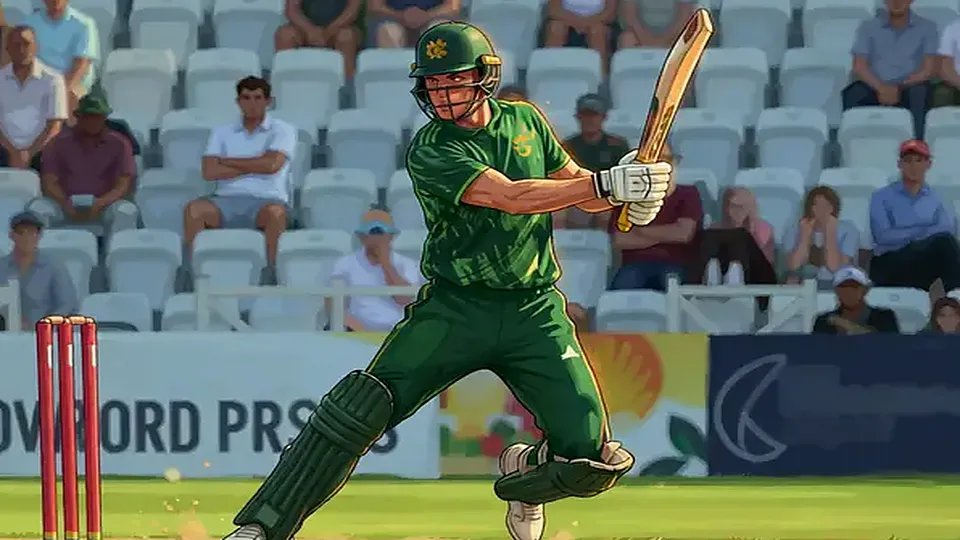
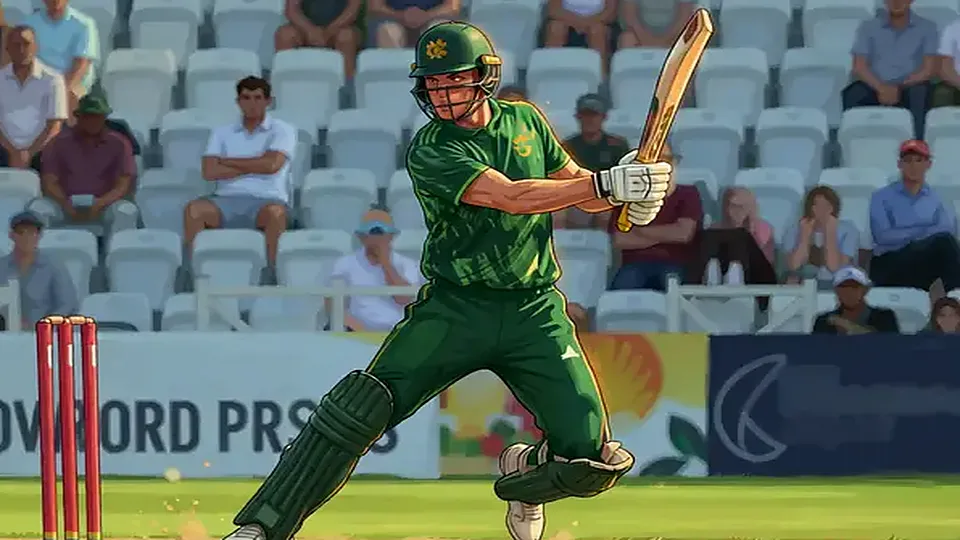
The boundary-percentage at the local Chandigarh Cricket Association nets is up. Last Tuesday, a 19-year-old pace bowler from the Haryana circuit ran it past the middle stump. No umpire called it. No TV camera saw it. But the ball screamed off the skiddy hard length, bouncing away from the bat with a ferocity that only comes from years of grinding on red-soil tracks. That specific sound—that sharp *crack*—is the heartbeat of women's cricket in North India now. It is loud. It is unignorable. And it is the raw material the Women's Premier League is hungry to mine.
From the Ranji Grind to the WPL Spotlight
For decades, the pathway was a slow climb. You played college cricket. You survived the state association trials. You endured the long, quiet nights of the Ranji grind where the scoreboard doesn't matter, only survival does. Today, the WPL has opened a door that was previously locked behind bureaucratic red tape. It is a whole new world, yes, but not in the way the glossy brochures suggest. It is gritty. It is physical. It is built on the backs of players who learned to bowl into the pitch on crumbling grounds in Jalandhar or Patna.
Remember the Impact Player rule? It sounds like a fantasy league gimmick. In the dugout, it is a calculated risk. A captain watching the dew factor after 8:30 PM IST knows that the new ball will swing early. She takes a gamble. She brings on a left-arm wrist spinner when the opposition has three right-handed batters top order. The bet pays off. Or it doesn't. There is no middle ground.
"You don't learn this in academies. You learn it in the net session when the guy holding the pads is tired and you have to hit the same line a hundred times just to stay relevant," said a veteran Haryana pacer after a recent trial match.
This is the texture of the new era. It is not just about salary caps or global stars walking onto the pitch. It is about the young Indian players who handle scoreboard pressure differently now. The pressure used to be internal. *Did I miss the catch? Was my length too short?* Now, the pressure is external. Millions of eyes. The algorithm. The social media feed that will dissect your run-out every second.
The Economics of Attention: A Chart of Odds
Let’s talk numbers, because cricket is ultimately a game of probability. The WPL’s commercial model relies on engagement. And in the Indian digital sphere, engagement often flows through unexpected channels. Think of the Time Bazar Matka Panel Chart not as a gambling tool, but as a metaphor for the chaotic, high-stakes nature of modern sports betting and fan prediction. Fans track odds. They look for patterns in the chaos. The WPL has given them a new, vibrant dataset to analyze. The volatility of the T20 format mirrors the daily fluctuations of the panel chart; one ball can turn a match, just as one number can turn a market. This parallel is strange, perhaps, but it underscores how deeply the WPL has embedded itself into the broader cultural consciousness of Indian sports consumption. The game is no longer just on the pitch. It is on the screen, in the app, in the chat rooms where the *boundary-percentage* of the last over is debated with the intensity of a stock ticker.
Handling the Heat
Back on the ground, the reality is simpler. The humidity at Brabourne or the chill at Chinnaswamy changes the dynamics. Here in Chandigarh, the evenings are crisp. The ball grips. The young pacers are learning to use that grip. They are not just bowlers anymore. They are athletes who must manage their fitness in a four-week sprint. The state associations are finally catching up, providing physios and sports psychologists alongside the coaches.
- Selection Calls: No longer based solely on last season’s stats.
- Ground Conditions: Dew factors are now primary tactical variables.
- Media Pressure: Young batters are training their mental resilience alongside their technical skills.
The wire services called it a revolution. From this desk, it looks more like a maturation. The women’s game has stopped asking for permission. It has taken its space. The new ball did the talking last week. This week, it will do it again. And the panel charts, whether of stocks, matches, or momentum, will record the shift. The old world of quiet, unseen cricket is fading. The new world is loud, bright, and demanding. It is time to watch.
Related coverage
- WTC Expansion Stalls; IPL Scouts Bet on Impact Player – time bazar chart
- NZ's 3.2 Wickets Per Over Gap: The Data Behind Time Bazar Matka Panel Chart

Updated 2026-11-14 · Instant Rupee Deposits & 60s Withdrawals · 24/7 Support.
Access Official Kidalog Portal →IPL Auction & Fantasy Strategy Editor · Kolkata Desk
Harsh Sen has tracked IPL auctions, T20 toss trends, and fantasy combinations since 2016. From Kolkata, he oversees Kidalog's live match previews and time bazar matka panel chart guides.
Reader Discussion & Match Reactions (4)4.8★ Community (4 Comments)
Verified Indian cricket reader perspectives & tactical debate on thekidalog.com
The 'WPL door' might be open, but let's not ignore the board politics. Will the BCCI actually prioritize these gritty Haryana pace bowlers over established stars, or is this just glossy PR for the Chandigarh association's new nets?
It is heartening to see the grind of the Jalandhar and Patna circuits finally getting a mention. The pathway from state trials to the WPL spotlight is the only way we build a sustainable depth for the national side.
The mention of the Impact Player rule as a 'calculated risk' is interesting, but the real telemetry is in that 8:30 PM IST dew factor. That specific timing drastically alters the swing and the utility of a left-arm wrist spinner.
@Rajesh_Bhatia You're skeptical, but the article literally mentions players bowling on crumbling grounds to get here. That raw material from the Ranji grind is exactly what makes the Impact Player gamble work when the dew hits.
Join the Discussion (4 Reader Comments)
Related Articles
See All
Gautam Gambhir's Transition Narrative Is Back, Four Defeats Later
Jul 8, 2026
'I don't focus on what's happening outside'
Jul 26, 2026
Time Bazar Matka Panel Chart: Complete 2026 India Guide, Live Updates & Verified Access
Oct 17, 2026