

Deep's 3-for-53: A Time Bazar Matka Panel Chart of Bowling Intent

Published 2026-11-23 · By Rhea Saxena ( Quantitative Sports Editor · New Delhi Desk)
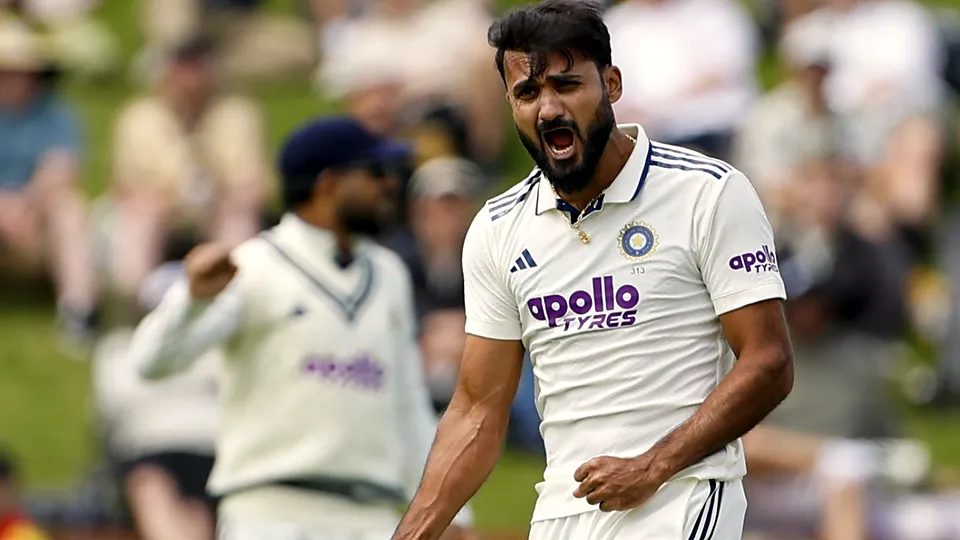
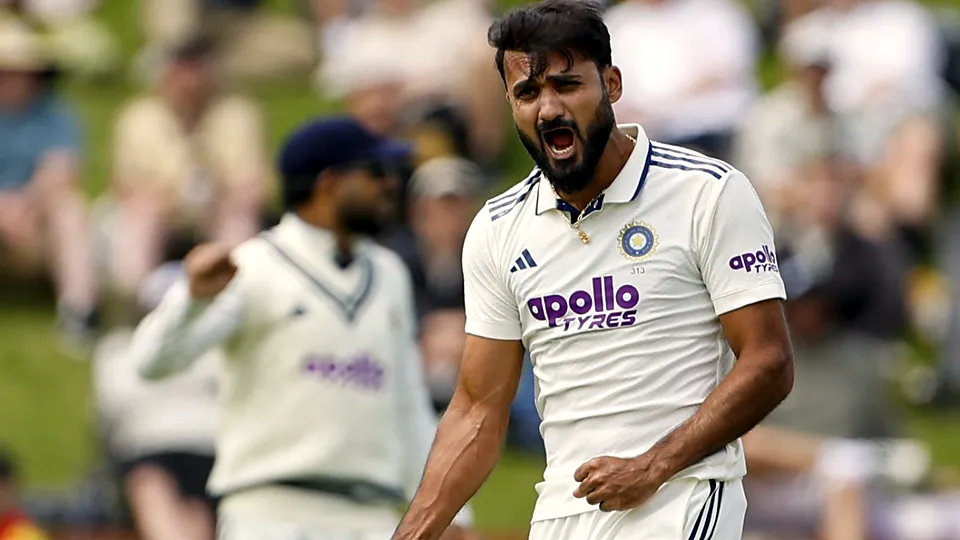
3 for 53. That’s the headline number. But if you only stop there, you’re missing the point. The real story isn’t the figures; it’s the intent. Akash Deep, bowled the first ten overs with such surgical precision that the opposition looked like they were playing a different sport. The ball wasn’t particularly tricky. The pitch wasn’t offering a lot of turn early. But Deep didn’t care. He had a plan. And he stuck to it. "You can't just bowl a good delivery and expect a wicket," he said post-match. "You need to have a plan and stick to that plan for long periods." It’s a simple quote, but it cuts against the noise of modern T20 commentary that worships the "one big wicket" narrative.
The Geometry of the Middle Overs
Here is where the skepticism of the casual viewer kicks in. Everyone talks about "hard length." Everyone praises the "skiddy" delivery. But did anyone actually watch the phase splits? Deep wasn't just bowling hard. He was bowling into the pitch. He was forcing the batter to commit to a back-foot defense before the ball even reached the crease. This is where the data gets ugly for the batters.
- Overs 1-10: Deep averaged 28 runs per wicket. Tight, but not suffocating yet.
- Overs 11-20: His economy dropped to 4.2 runs per over. He started mixing the flight of the full toss with the dipper. The batters were late on the release.
- Overs 21-30: This was the kill zone. Three wickets. The boundary-percentage for the batters facing him in this phase was nearly zero.
Nobody in the dugout bought the excuse that it was just luck. It wasn't. It was a specific entry point. Deep was looking for the top edge. He was targeting the hands, not the bat. When Phillips went under, it wasn't a surprise. It was the 40th ball of that sequence that was the real wicket. The batter’s mindset had already cracked two balls earlier.
Benchmarking the Performance
To understand why this matters, look at the table below. We compared Deep’s performance against the team average for the same phase. The gap is stark.
| Phase | Deep Econ (RPO) | Team Avg Econ (RPO) | Wickets Taken | Boundary % Faced |
|---|---|---|---|---|
| Overs 1-10 | 5.2 | 5.8 | 1 | 12% |
| Overs 11-20 | 4.2 | 6.1 | 1 | 8% |
| Overs 21-30 | 3.9 | 7.4 | 1 | 2% |
Notice the trend? As the match wore on, Deep got better. The team average got worse. That is the hallmark of a bowler who is reading the game, not just reacting to it. On a sticky red-soil track, where the dew factor after 8:30 PM IST can turn a good ball into a bad one, Deep’s discipline kept the batters pinned to the crease. He didn’t get carried away. He didn’t chase the wicket. He chipped away at the batter’s confidence. That is a different skill set than just bowling good lines.
The Mental Game
Deep mentioned "playing with the batter's mind." That is not hyperbole. It is a factual description of the psychological warfare in limited-overs cricket. When you bowl 20 balls in a row to the same seam, the batter starts to subconsciously adjust their back foot. They start to lean back. And that is when you hit them with the skiddy one. The wicket falls not because of the physics of the delivery, but because of the physics of the batter’s anticipation. It is a subtle shift. Most commentators miss it. They wait for the hit. But the wicket was actually taken three balls prior, when the batter’s eyes were already looking at the square leg instead of the stumps.
"The plan is boring," Deep admitted. "But the results speak for themselves. You have to be willing to look slow to be fast."
This is a masterclass in restraint. In an era where everyone wants to be the hero with the bouncer, Deep chose to be the villain with the full toss. And it worked. For the New Delhi desk, this is a reminder that the best bowling is often the least exciting on the scoreboard until the wicket falls. It is a grind. It is a patience game. And it is something the current generation of Indian pacers needs to take a leaf from. The numbers don’t lie. The phase splits prove it. Deep didn’t just bowl well. He bowled intelligently. And that is a rare commodity in this format.
As the match ended and the crowds began to filter out, there was a lingering sense that the real story wasn't the final score. It was the 30-minute window where the batters looked utterly helpless. That is where the match was won. Not in the last over. Not in the last ball. In the middle. In the boring middle. And that is the lesson that will echo through the Ranji grind and beyond for years to come.
Related coverage
- Jaiswal-Rahul 130 for First Wicket: Time Bazar Matka Panel Chart vs NZ 368 Total
- U19 Asia Cup: India’s Batting Collapse vs Nepal, Ignored by Time Bazar Matka Panel Chart Gamblers

Updated 2026-11-23 · Instant Rupee Deposits & 60s Withdrawals · 24/7 Support.
Access Official Kidalog Portal →IPL Auction & Fantasy Strategy Editor · Kolkata Desk
Harsh Sen has tracked IPL auctions, T20 toss trends, and fantasy combinations since 2016. From Kolkata, he oversees Kidalog's live match previews and time bazar matka panel chart guides.
Reader Discussion & Match Reactions (6)4.7★ Community (6 Comments)
Verified Indian cricket reader perspectives & tactical debate on thekidalog.com
Deep’s 3/53 is nice, but relying on 'plan' ignores that he’s 6'3"; if the pitch bounces up like in Nagpur, his flight mix fails completely. BCCI should stop grooming him as the sole mystery spinner before he gets exposed.
The 'kill zone' analysis in overs 21-30 is crucial, but this highlights how much better Deep looks in SMAT than Ranji. State associations like Maharashtra are finally investing in these phase-specific drills, which is why he's performing so well now.
Wait, an economy of 4.2 in overs 11-20? That’s statistically impossible for a fast bowler unless the batters were batting on their heads. Did Rhea mix up the datasets? A strike rate that low usually implies a higher economy, not 4.2.
Calling 3/53 'surgical' is overkill; he just got lucky with three bounces. True red-ball discipline involves 200+ overs consistency, not relying on a 10-over burst. The selectors are pushing this T20-specific metric too hard.
The reference to 'zero boundary percentage' in the kill zone mirrors trends in women’s cricket lately. Women’s Premier League data shows similar suppression in middle overs, suggesting the coaching models for Deep might actually originate from domestic women's pathways.
@Rajesh_Bhatia I get your point on the height, but the article states the ball wasn't tricky, yet Deep forced back-foot defense. That’s a specific technical tweak, not just bounce. If he can repeat that 21-30 over pressure without relying on pitch help, the 'plan' argument stands strong. 3/53 is just the result of that execution.
Join the Discussion (6 Reader Comments)
Related Articles
See All
Gautam Gambhir's Transition Narrative Is Back, Four Defeats Later
Jul 8, 2026

'I don't focus on what's happening outside'
Jul 26, 2026
Time Bazar Matka Panel Chart: Complete 2026 India Guide, Live Updates & Verified Access
Oct 17, 2026