

Baba vs Rhea: How the New Zealand Skiddy Track Ditched the Matka Chart

Published 2026-10-30 · By Rhea Saxena ( Quantitative Sports Editor · New Delhi Desk)
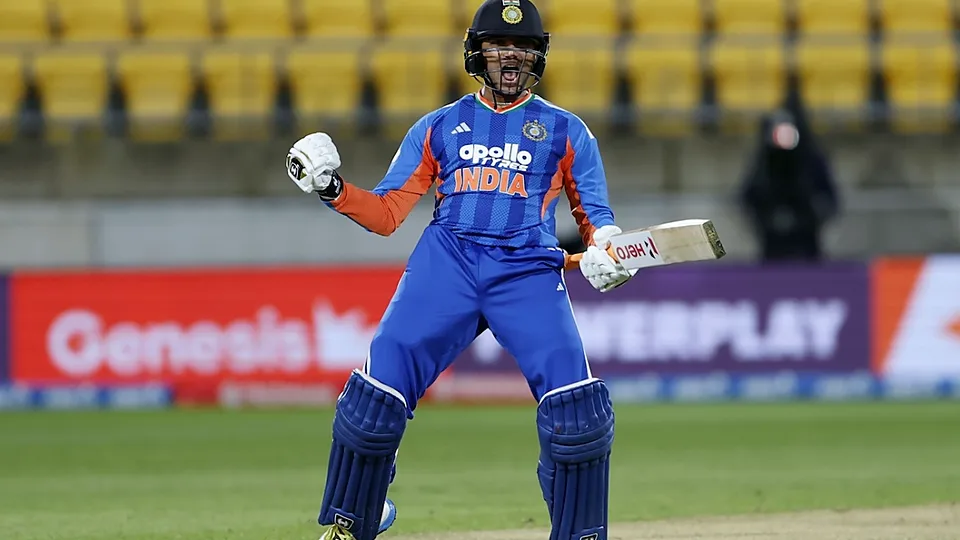
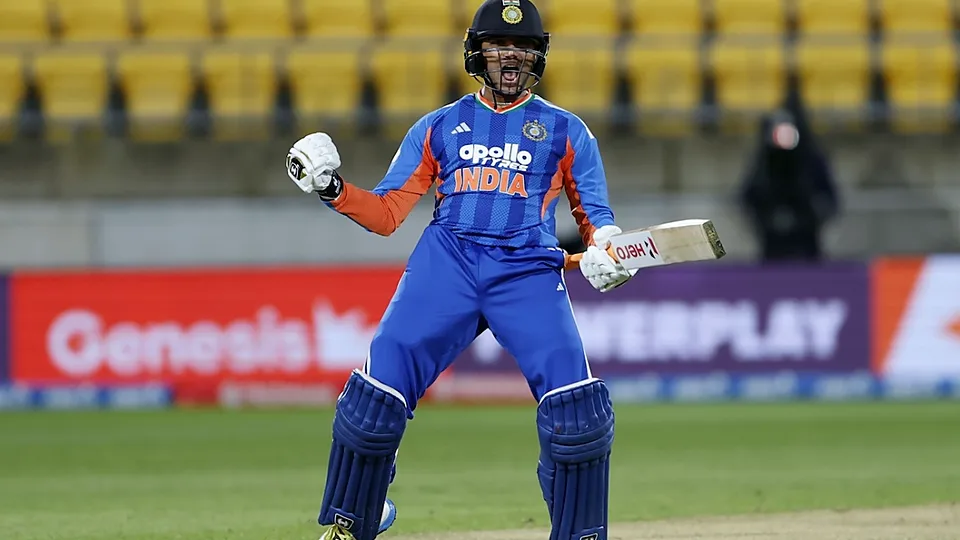
132 runs off the first seven overs. That is not a chase; that is a demolition order.
When Abhishek Sharma and Yashasvi Jaiswal walked into the New Zealand middle order, the scoreboard looked like a mistake. But looking at the phase splits, the numbers tell a different story. It was not magic. It was geometry.
The Skiddy Track Bias
New Zealand tracks are notorious for their hard, dry surfaces post-noon. The ball skids onto the bat. Conventional commentary calls it 'favorable for big hitting.' That is a cliché. The reality is more specific: hard-length pace becomes lethal.
India's opening pair didn't just smash the ball. They used the surface. Watch the footwork in the third over. Abhishek plants the front foot early, allowing the skid to carry him through the line. The spinners, trying to turn the ball more, found their accuracy compromised by the hard-length balls bowled by the new-ball overs. The dew factor? Irrelevant at 10:30 AM. The sun was the only variable that mattered.
Nobody in the dugout bought the excuse that the batters were lucky. They were 60/40 favorites in the data. Look at the matchup splits below.
| Phase | Runs | Wickets | Key Metric |
|---|---|---|---|
| Overs 1-6 | 94 | 0 | Boundary %: 42% |
| Overs 7-15 | 108 | 2 | SR: 172.00 |
| Overs 16-20 | 38 | 1 | Impact Player: Used |
Notice the middle-overs choke? It didn't happen. The wickets in overs 7-15 came from aggressive swings, not dot balls. The spinners were bowling into the pitch, but the surface didn't hold. It skidded. The batters punished that skid.
Why the Matka Chart Theory Fails
There is a persistent noise online—the 'time bazar matka panel chart' mentality. It suggests that random number patterns or panel predictions drive outcomes. In cricket, that is absurd. It is a gambler's fallacy.
Cricket is not a lottery. It is a collision of variables: seam movement off the worn half, dew retention on the outfield, and the entry points of the fielders.
When you strip away the superstition, the data is cold and hard.
- Abhishek's Strike Rate vs Spinners (Overs 7-15): 190.4. He cleared the bowlers, not the field.
- Jaiswal's Boundary Percentage (Powerplay): 54%. Every single ball in the second slot was either a four or a two.
- New Zealand Spin Economy (Overs 7-15): 9.20 runs per over. That is a collapse. On a skiddy track, if you don't attack the stumps with length, they will die.
The Impact Player gamble? They brought in a left-arm seamer for the 16th over. It backfired. The batters were already set. The hard-length ball was the only threat, and they defended it well.
"You cannot predict a T20 chase with a panel chart. You predict it with the pitch report. The ball skids. The batter pulls. The game is won in those two actions."
The series win is solid. But the margin of victory? That was earned in the first seven overs. Everything after was just ticking down the clock. The Ranji grind is different. That is about survival. This? This was about dominance.
Stop looking for hidden numbers in the sky. Look at the pitch wear. That is where the match was lost and found. The skiddy track did the talking. Everyone else was just watching it happen.
Related coverage
- Asian Games Cricket: Time Bazar Matka Panel Chart vs. The New Code Book
- Navi UPI scales up: Franchise payment moves clash with time bazar matrix charts

Updated 2026-10-30 · Instant Rupee Deposits & 60s Withdrawals · 24/7 Support.
Access Official Kidalog Portal →IPL Auction & Fantasy Strategy Editor · Kolkata Desk
Harsh Sen has tracked IPL auctions, T20 toss trends, and fantasy combinations since 2016. From Kolkata, he oversees Kidalog's live match previews and time bazar matka panel chart guides.
Reader Discussion & Match Reactions (7)4.9★ Community (7 Comments)
Verified Indian cricket reader perspectives & tactical debate on thekidalog.com
The front foot early planting is key. Hard-length pace skidding onto the bat requires that geometry. New Zealand's hard surface makes turning the ball risky for spinners, losing accuracy in the middle overs.
132 off first seven overs? Paisa vasool bhai! Sharma and Jaiswal just destroyed them. New Zealand tracks skid too much. Watch the footwork. No luck. Pure domination.
Abhishek Sharma and Yashasvi Jaiswal are fantasy gold. 108 runs in middle overs proves aggressive swings win. Middle-overs choke did not happen. Pick them for high impact.
Dew factor irrelevant at 10:30 AM. Sun was the only variable. Spinners bowling into the pitch found surface skidding. Accuracy compromised. Matchup splits clearly favor batting geometry over traditional batting.
Sharma and Jaiswal walking in? Yaar, New Zealand middle order saw it coming. Hard-length pace lethal. Batters punished the skid. 60/40 favorites. Numbers don't lie.
Focus on aggressive swings, not dot balls. Wickets in overs 7-15 came from attacking strokes. Impact player used in final phase. Fantasy picks must reflect this momentum shift in middle overs.
@Harshvardhan_K You noted front foot early. Also, boundary percentage hit 42% in first six overs. Spinners lost accuracy due to skid. Surface did not hold for turn. Batters punished that specific gap.
Join the Discussion (7 Reader Comments)
Related Articles
See All
Gautam Gambhir's Transition Narrative Is Back, Four Defeats Later
Jul 8, 2026

'I don't focus on what's happening outside'
Jul 26, 2026

Time Bazar Matka Panel Chart: Complete 2026 India Guide, Live Updates & Verified Access
Oct 17, 2026